The Library Ghost

During #BlogJune, workers in galleries, libraries, and museums Down Under commit to writing daily blog posts about their work.

One of my favourites is The Library Ghost, written by Kyla Stephan of Gold Coast Libraries in Queensland.

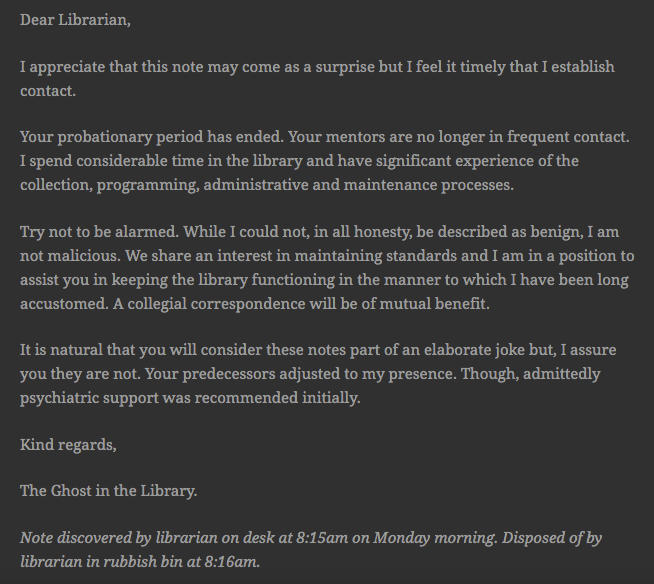
The blog, which has run intermittently for several years now, records the correspondence left at a librarian’s desk by the ghost which haunts her building.
Library Ghost Episode 1

We only ever see the ghost’s side of the conversation, but follow the progress of their relationship over the months and years, as the icy spirit – “I could not, in all honesty, be described as benign” – develops a certain affection for the mortal whom they haunt.

I love that Kyla invites us into a tender and wryly mannered fiction, invoking library magic to share the world of her imagination. Go check out the Library Ghost this #Blogjune.
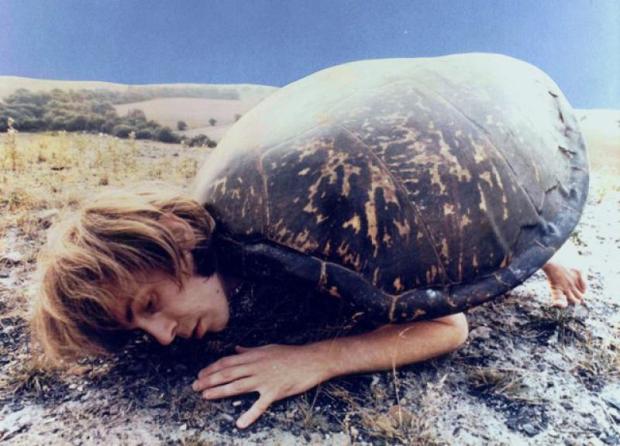
Curious, Mysterious, Marvellous, Electrical: Night of the Ibis

This week’s Marvellous, Electrical explores the intersection of urban ecology and Brisbane burlesque.

Read ‘Night of the Ibis’ here.

Marvellous, Electrical: Everything’s Coming Up Kransky

What links country Queensland, Barbarella, Judge Judy, and Agnes Bernelle, the World War 2 broadcaster who convinced a U-Boat captain to surrender with nothing more than her seductive voice?

The Kransky Sisters.

On this week’s Marvellous, Electrical, I interview Australia’s greatest contemporary cabaret act.


Beyond Panels

Here’s the ever-thoughtful Justin Hoenke on conference presentations:

We’re thinking about similar things down under…last month, the State Library of Queensland experimented with a Presenterless Workshop format, as part of a wider campaign by science communicator David Robertson, called Beyond Panels.

Read more

USQ Salon: Our Powers Combined

I’ll be visiting the University of Southern Queensland next month to speak at their USQ Salon series.

julian cope

If scholarship is a creative and critical conversation about the world, who are “we” having those conversations with?

What opportunities do institutions create for members of the public to have a go at what they do? And to fall in love with what they do?

From fringe scholarship to Fun Palaces, comic books and stone age megaliths to postcolonial controversy, we’ll be looking at what it means to share opportunities for learning, exploration, and adventure with the widest possible range of communities.

You can join me and the USQ team online from 11am AEST on Tuesday 7th June.

Sunday Read: Beyond Secret Cinema

My belated Sunday morning read is this piece from the Guardian on London’s Secret Cinema, which blends movie screenings with theatrical experiences and themed activities:

I’m a big fan of participatory live-action storytelling and I’m fascinated by opportunities to blur the line between fiction and “real” experience, creating events where attendees shape the outcome of a story.

I went to a Secret Cinema event a few years back and was pretty disappointed – the set design and costumes were fancy, but the opportunities to get involved in the storytelling were minimal. I’d gone to see Casablanca and while it was cool to sing La Marseillaise at a bunch of actors in Nazi uniform, the rest of the “immersive experience” consisted of overpriced snacks and a “casino” barely worthy of a student union’s James Bond night. The Guardian piece captures the extent to which Secret Cinema events are now more about taking your money than letting you step into the world of a story.

Read more

Marvellous, Electrical: In The Doll Hospital

I was expecting hokey gothic from my trip to Brisbane’s Doll Hospital.

Instead I got stories from the Greek Cypriot migration, and some thoughts on how Australian attitudes have changed.

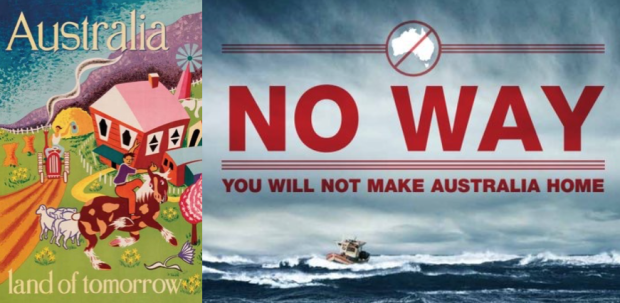
Australian migration posters from the mid 20th century and early 21st century

Read more in this week’s Marvellous, Electrical.

Marvellous, Electrical: The Man in the Machine

A burned-out crop header

…the nonhuman entities with which we share the world – including, but not limited to, our tools – are active in their own right. They have their own powers, interests, and points of view. And if we engineer them, in various ways, they “engineer” us as well, nudging us to adapt to their demands. Automobiles, computers, and kidney dialysis machines were made to serve particular human needs; but in turn, they also induce human habits and behaviours to change. Nonhuman things must therefore be seen as…active agents with their own intentions and goals, and which affect one another, as well as affecting us…

…Things are creative. And again, one of the great potentialities of science fiction is to illuminate the positive, productive powers of things, of materials, and of technological apparatuses.

– Steven Shaviro, Discognition

This week, Marvellous, Electrical heads out to the fields of Queensland’s Darling Downs for a ride in a modern farming machine.

When you find yourself at the wheel of a self-driving harvester, just who’s steering who?

Read Marvellous Electrical: Module, part 2 here.

Marvellous, Electrical: Mouth on Legs

There have been great Queenslanders and famous Queenslanders, real ones and imaginary, but only one has been to the end of the universe and back.

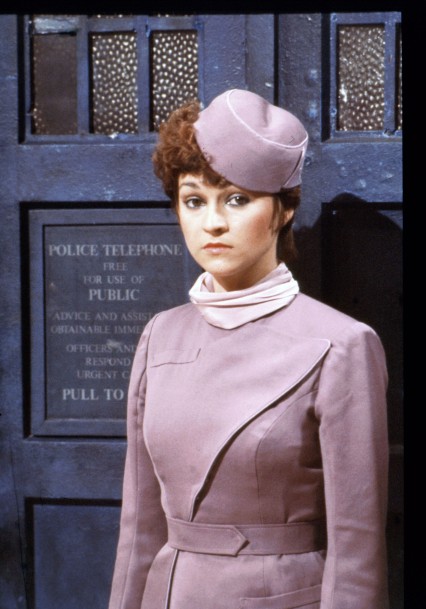
This week’s Marvellous, Electrical is about Tegan from Doctor Who.

Tegan Jovanka from DOCTOR WHO

TEGAN: What’s a Zero Room anyway?[…]

NYSSA: I suppose it’s some sort of neutral environment. An isolated space cut off from the rest of the universe.

TEGAN: He should’ve told me that’s what he wanted. I could’ve shown him Brisbane.

Read Marvellous, Electrical: Mouth on Legs here.