Peat Hub Ireland Report including Peatlands 2050 scenarios

“What I liked most about the workshop was getting to experience a framework for discourse between different stakeholders where everyone was approaching challenging ideas with an amount of vulnerability and openness. Things like the icebreaker question and being pushed outside of our cognitive comfort zones led to a kind of shared sense of uncertainty and unease that made it much easier for conversation and creativity to happen.”

Words from a participant at the scenarios workshop I led as part of the Peat Hub Ireland initiative, funded by the Irish Environmental Protection Agency and delivered by UCD colleagues under the leadership of Florence Renou-Wilson, including David Wilson, Kate Flood, and Elena Aitova.

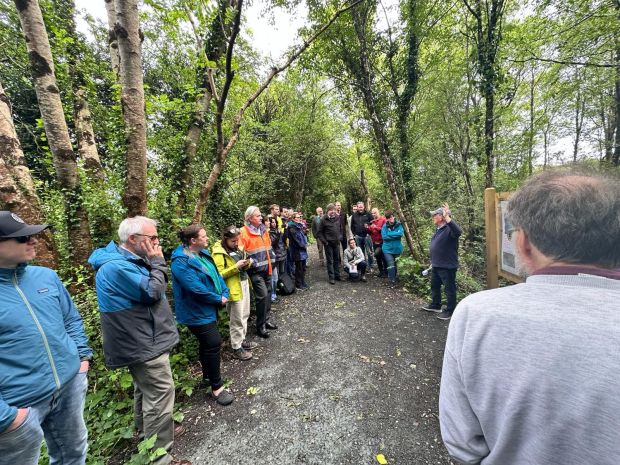
You can see the full report, including an appendix on the scenarios, at the EPA website. Thanks to all the colleagues and to the host of our scenario session at Tyrrellspass, County Westmeath – it’s a rare delight to run a scenario workshop with a ninety minute bog walk in the middle of it…

Peat Hub Ireland: 2050 Scenarios

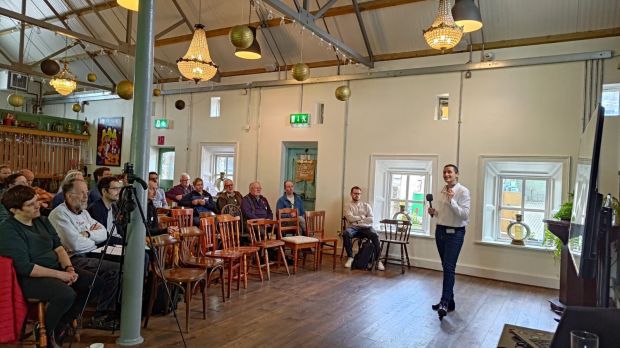
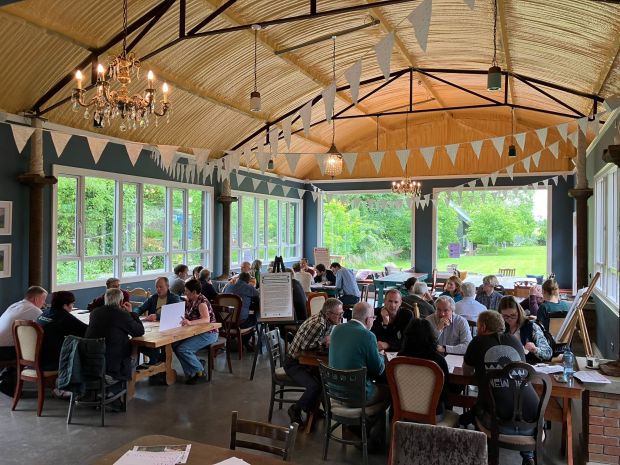
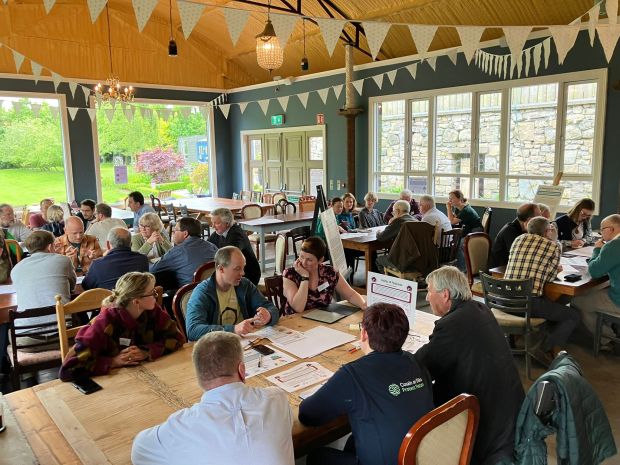
I’m just back from collaborating with the Peat Hub Ireland team on a scenarios workshop which invited participants from across the communities and institutions involved in Irish peatlands management to explore three visions of the world in 2050.

Historians, scientists, community members, officials, archaeologists, educators, researchers, activists, and businesspeople all gathered to find new ways to think about sustainability and custodianship, suitable for times of turbulence and unpredictability.

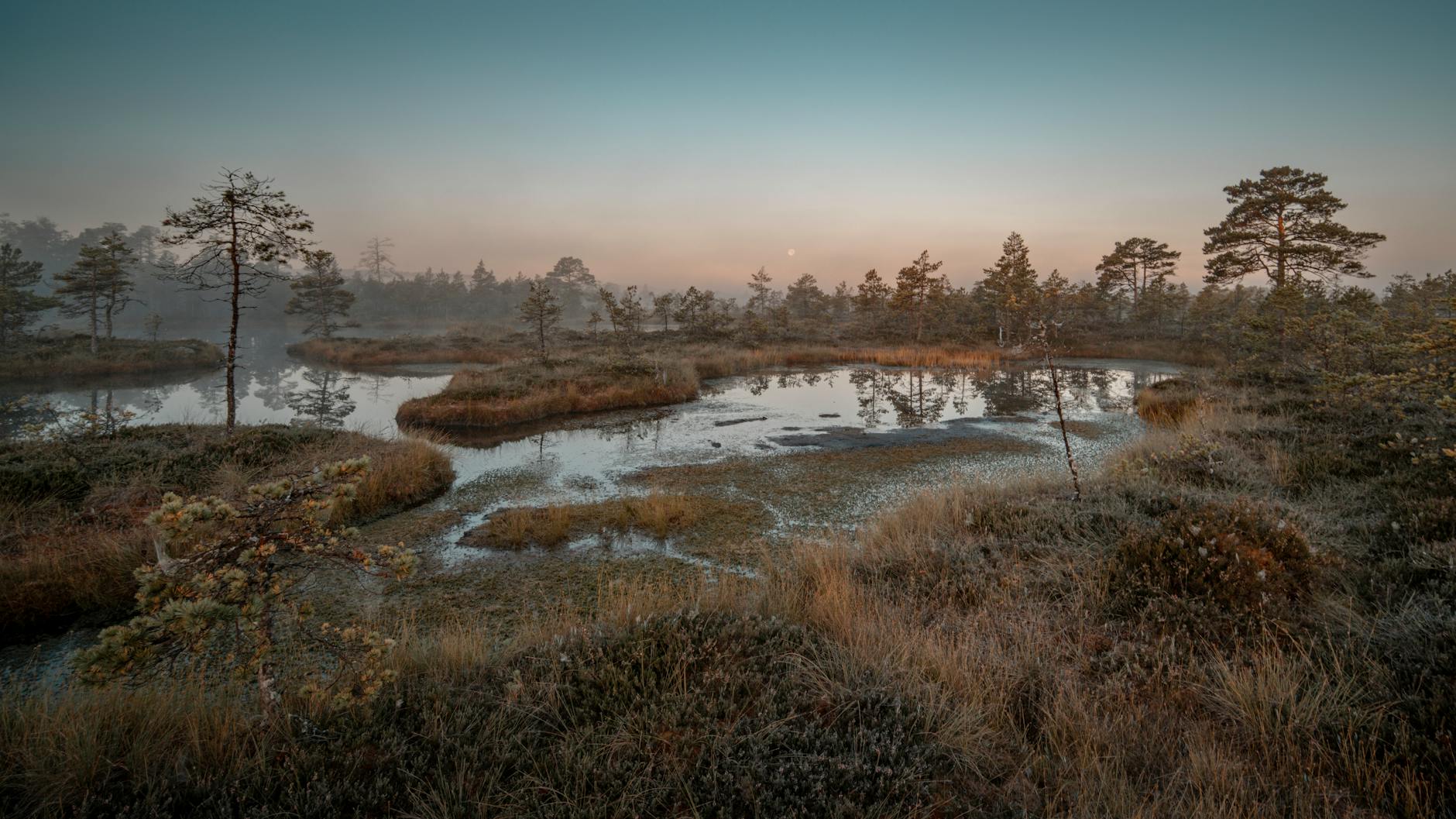
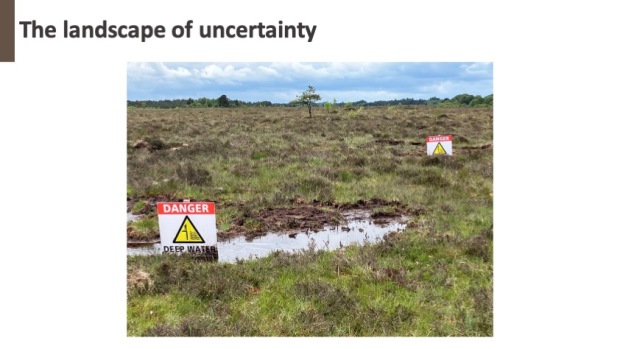
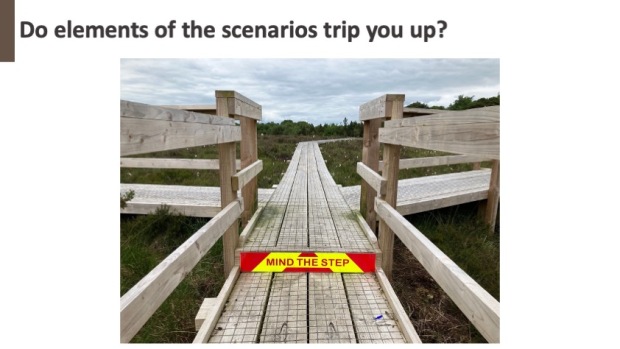
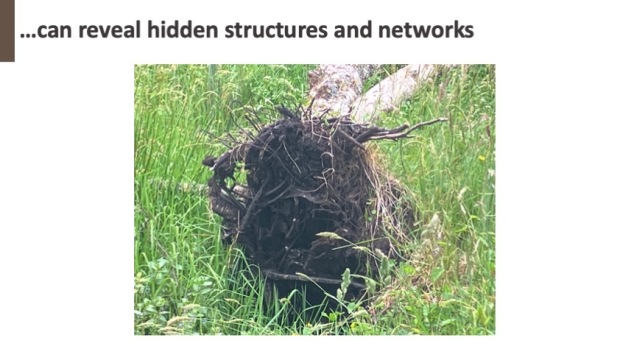
It was quite unique to run a scenarios day incorporating a two-hour break for a lunchtime country walk – but being out on the bog gave us a shared experience of the landscape whose future we were exploring, and some useful metaphors for dealing with conditions of uncertainty.

Our work built on the scenario elements of the Horizon Europe-funded IMAJINE project, which were led by the University of Galway’s Marie Mahon and myself. Peat Hub Ireland’s Florence Renou-Wilson, David Wilson, and Kate Flood worked with me to develop IMAJINE materials into a fresh set of scenarios for the world of peatlands management in 2050. We were supported in delivering the workshop by colleagues including Elena Aitova and Liz Bruton.

You can find out more about Peat Hub Ireland at their website – and there’s an account of the day from the Department of the Environment, Climate, and Communications’ Dave Dodd here. Stay tuned for more about the scenarios, too.

Everyday resilience: Rural communities as agents of change

I’m very pleased to have played a small part in this work on the future of Irish peatlands: geographers Kate Flood, Marie Mahon, and John McDonagh of the University of Galway have published a new article on “Everyday resilience: Rural communities as agents of change in peatland social-ecological systems“.

Their project included “Bog Scenarios” developed frugally with local communities. These used the past, present, and future of the peatlands to explore change through time including past events at the site; how the bog is currently changing; and hopes for the future.

Read more in the Journal of Rural Studies.

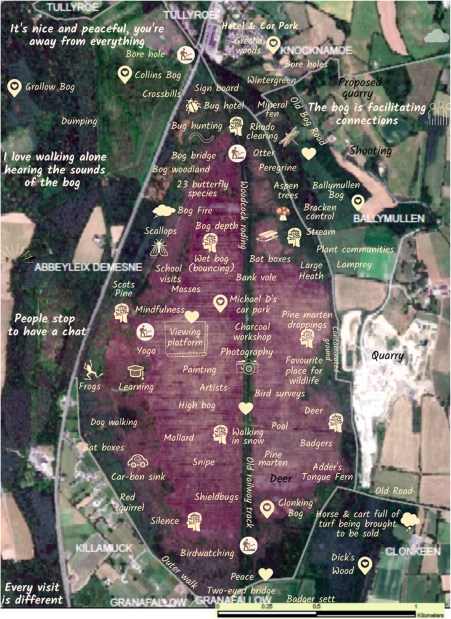
Community map of Abbeyleix Bog reflecting local knowledge and experiences

IMAJINE: Scenario Planning for Europe’s Regional Future

Since last year, I’ve been working as a foresight consultant on the IMAJINE project, a Horizon 2020 project exploring the future of regional equality and territorial cohesion across the European Union.

To help people understand how IMAJINE is using scenario planning to explore Europe’s future, Marie Mahon of NUI Galway and I have recorded a five-minute video introducing the scenario planning component of IMAJINE.

You can watch the video below or read more at the IMAJINE project website.

https://www.youtube.com/watch?v=uEu_-L01kFw

IMAJINE pilot workshops: the future of spatial justice

Our IMAJINE team working on scenario planning for the future of regional inequality and territorial cohesion in the European Union has held its first pilot workshops on the West Coast of Ireland.

Researchers and regional officials joined NUI Galway’s Marie Mahon and myself at the Teagasc Rural Economy Research Centre in Athenry. There, we trialled fast, practical foresight tools allowing participants to sketch roadmaps of the futures which may await them.

The Oxford Scenario Planning Approach, which we’re using to structure these sessions, allows us to identify and develop plausible scenarios which serve to test assumptions and reframe the way participants look at the future. By imagining the most difficult or surprising circumstances a community might face, we seek to develop a playbook of strategies for emergent issues in territorial inequality and spatial justice.

The IMAJINE project continues through 2021 and incorporates Europe-wide foresight alongside deeply local engagement with policymakers and other stakeholders. Stay tuned for more updates.