I’m very pleased to be back at the University of Oslo next month to contribute to the humAIn initiative, a hub for interdisciplinary research and education which focuses on how the humanities can critically and creatively engage with the ideas, stories, and imaginaries of AI.
We explore how scenario work can support research into global challenges, and reflect on the ethical use of foresight when dealing with issues affecting the whole planet.
I also ran a workshop with Oxford colleague Halina Suwalowska for the Old Fire Station in Oxford. This is an arts centre in the heart of the city “which takes a risk and entertains”, with the motto, “Art is for everyone. Art has potential.”
The Old Fire Station’s tower is Oxford’s “Hidden Spire”, almost concealed by the collegiate skyline, and this has lent its name to an artmaking collective.
The Hidden Spire project brings together people from different walks of life; many have experience of homelessness, having initially come to the Old Fire Station through the homeless charity Crisis.
The Collective work together to make publicly shared artworks, always deciding collaboratively what they make through a process of co-creation.
Halina and I worked with the artists to look at the future of Oxford, beyond hopes, fears, and expectations – exploring the city of 2041 as a contribution to this year’s forthcoming public artwork.
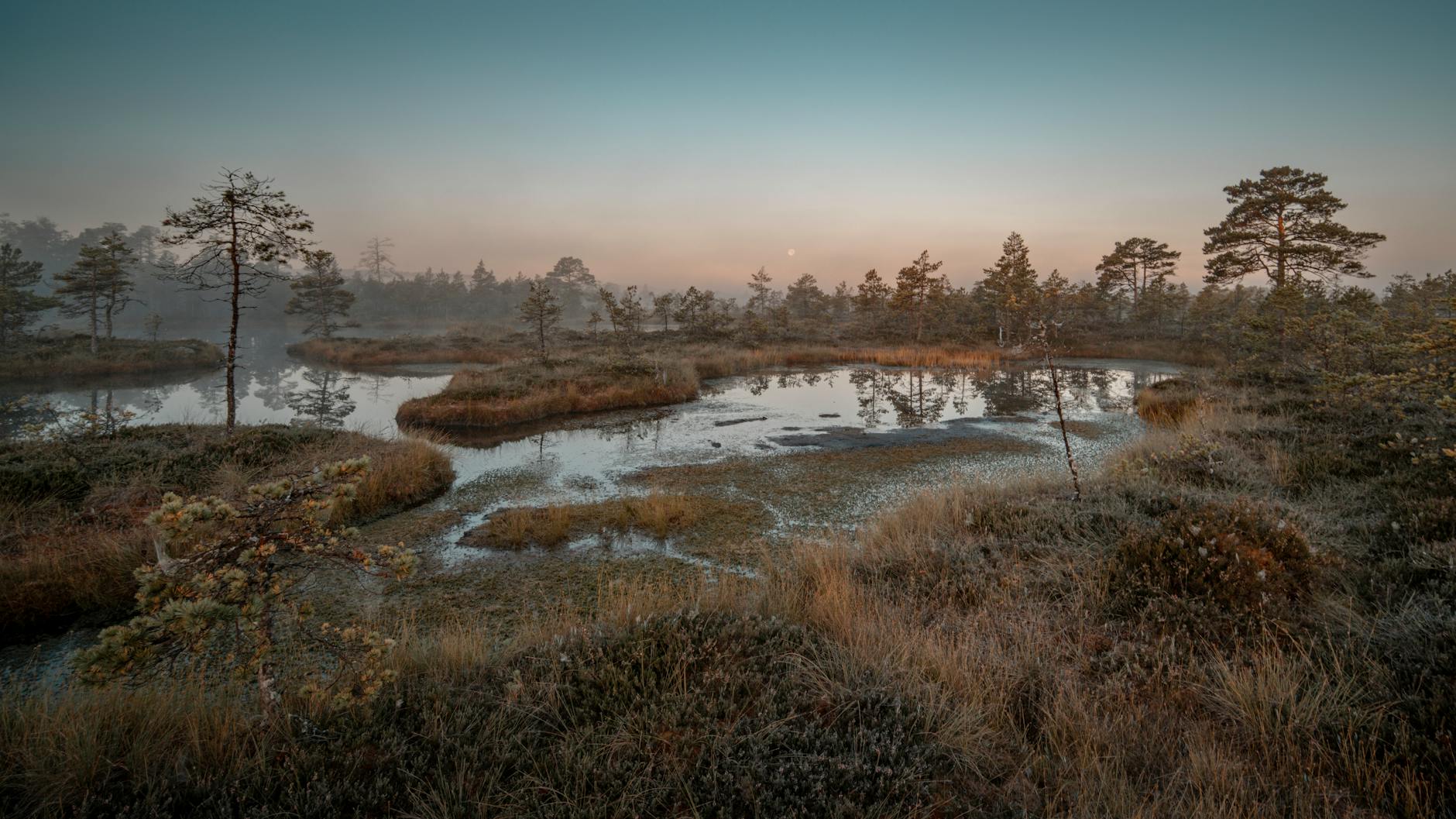
It’s a deep dive into the Peat Hub Ireland project—a major synthesis of two decades of peatland research that culminated in the Peatlands 2050 Scenarios.
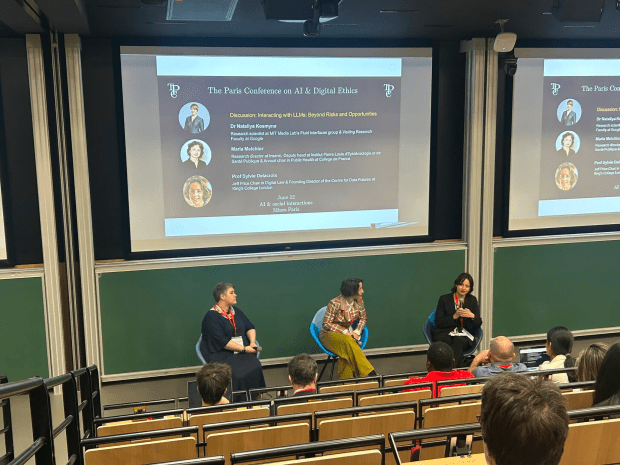
Nataliya Kosmyna, Maria Melchior, and Sylvie Delacroix on a panel discussion about interacting with LLMs
The best bits were the difficult ones – the little moments of tension and conflict which poked through the collegiality and cordiality and even the impeccable Parisian hospitality.
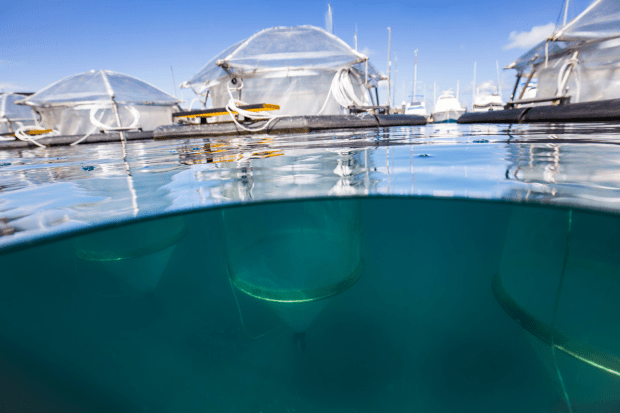
In Limn magazine, Oxford’s Javier Lezaun writes of mesocosms: experimental devices which allow us to observe natural interactions in a bounded and partially enclosed environment.
Specifically, Lezaun writes about polyurethane bags, mounted on hexagonal frames, which float in Taliarte harbour, on the east coast of the German island of Kiel.
Filled with water from the North Atlantic, the four-metre-long bags are used to determine how plankton responds when alkaline materials are added to seawater. Each bag contains a different quantity of sodium carbonate and sodium bicarbonate, so that different levels of alkalinity can be compared.
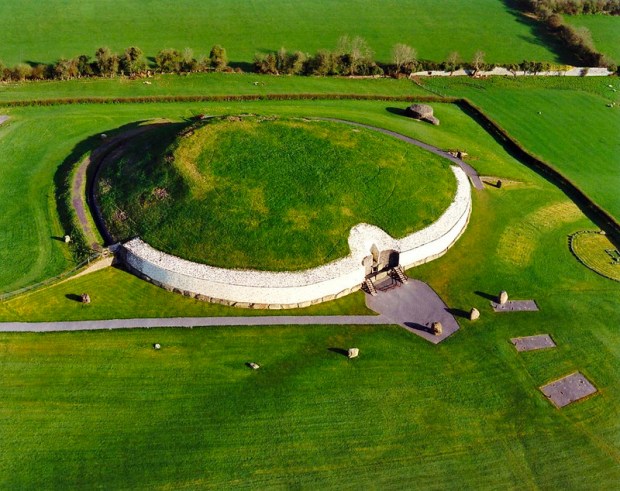
The prehistoric Newgrange mound, one of the world’s oldest extant funerary monuments, by Flickr user Ron Cogswell – CC BY 2.0
Emerging capabilities in artificial intelligence create the possibility of new relationships between the living and the dead.
After physical decease, what digital entities might live on in our stead? What agency will they have? How will the underlying technologies be developed, deployed, and managed? How will identity be authenticated?
What will be the impact on how individuals, families, communities, and societies approach the end of life, its associated rituals, and the ways in which we remember those who are gone?
Our team will use scenario planning to explore these questions and more, envisaging different future contexts for the relationship between AI and the afterlife, encompassing all aspects of memorial culture, funerary practices, and posthumous existence in the digital world.
I was a guest on the latest Strategy Meets Reality podcast with consultant, strategic adviser, and ex-instructor of the Royal Military Academy Sandhurst, Mike Jones.
Catch up on YouTube below, or wherever you get your podcasts.
I made a guest appearance on the latest episode of “Not Another KM Podcast”, hosted by Brittany Persinger and Rachel Teague, to talk about scenario planning, foresight, and knowledge management.
If social impact means creating long-term change, then we face a difficult problem: we live in turbulent times, and the future in which our impact will unfold is deeply uncertain.
Scenario planning can help by developing multiple plausible and contrasting futures, relevant to current concerns but challenging to our assumptions. Building and using scenarios offers the opportunity to critically explore expectations, hopes, and fears about the world within which we hope to make an impact.
Scenarios can inform the design of impact metrics which embody deeper values by considering the question: What might future generations wish we had measured in hindsight?
As we consider what inhabitants of different future scenarios might value, we can then identify and design appropriate impact measures to implement today.