I’m very pleased to be back at the University of Oslo next month to contribute to the humAIn initiative, a hub for interdisciplinary research and education which focuses on how the humanities can critically and creatively engage with the ideas, stories, and imaginaries of AI.
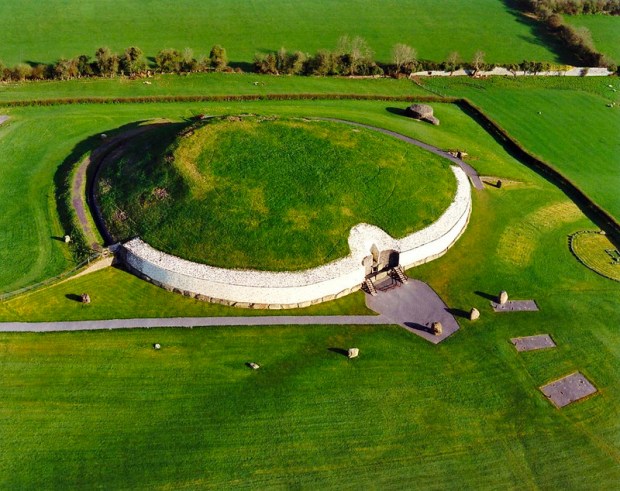
The prehistoric Newgrange mound, one of the world’s oldest extant funerary monuments, by Flickr user Ron Cogswell – CC BY 2.0
Emerging capabilities in artificial intelligence create the possibility of new relationships between the living and the dead.
After physical decease, what digital entities might live on in our stead? What agency will they have? How will the underlying technologies be developed, deployed, and managed? How will identity be authenticated?
What will be the impact on how individuals, families, communities, and societies approach the end of life, its associated rituals, and the ways in which we remember those who are gone?
Our team will use scenario planning to explore these questions and more, envisaging different future contexts for the relationship between AI and the afterlife, encompassing all aspects of memorial culture, funerary practices, and posthumous existence in the digital world.
One of my contributions to the 2025 Global Youth Climate Summit, hosted by the University of Oxford, has just gone online at the Oxford Climate Change Challenge site.