The Ghosts We See From The Mountains: New book chapter available

It feels somehow timely that “The Ghosts We See From the Mountains“, a chapter co-written with the University of Galway’s Marie Mahon for the Routledge volume Crisis and Body Politics in Twenty-First Century Production, is now live online and open access.

The chapter explores the useful intersection of Oxford-style scenario planning with issues of spatial justice and Verónica Gago’s concept of the “body-territory”.

Thanks to volume editors Charlotte Spear and Maddie Sinclair for bringing everything together.

Title of the Routledge edited volume Crisis and Body Politics in Twenty First Century Cultural Production

New chapter: Crisis and Body Politics in Twenty-First Century Cultural Production

Title of the Routledge edited volume Crisis and Body Politics in Twenty First Century Cultural Production

My 2023 conference paper “The ghosts we see from the mountains: Scenario planning and the territorial body in time” will be published next year in Routledge’s edited volume Crisis and Body Politics in Twenty-First Century Cultural Production, as a co-authored chapter with Marie Mahon of the University of Galway.

Marie and I collaborated on the foresight elements of the IMAJINE project, a Horizon Europe-funded programme exploring spatial justice and regional inequality across Europe.

We look at how scenario-based thinking can inform strategic conversations and policy decisions around territorial inequality: Do citizens have equal rights and opportunities regardless of wherever they live? Are different places treated fairly? Is your ability to realise your rights compromised by where you live? How will the answers to these questions vary as contemporary uncertainties unfold?

See more at the Routledge website.

Climate action and the vantage point of imagined futures: a scenario-based conversation

npj Climate Action has today published a new article, “Climate action and the vantage point of imagined futures: a scenario-based conversation“, co-written by Marie Mahon, Malka Older, David Robertson, and myself.

Drawing on the example of the IMAJINE project, the peer-reviewed piece explores how scenarios can provide the basis for discussion across disciplines and offer fresh ways to nourish our thinking about climate action.

It covers topics including: the nature of climate change and our understanding of it in different scenarios; questions of risk and responsibility now and in times to come; the use of scenarios to identify current blind spots and stimulate creative thinking; and the possibility that scenarios might offer fresh perspectives which allow us to reevaluate our notions of the sustainable “good life” and identify vulnerabilities which are overlooked in the present day.

Read the whole piece at npj Climate Action.

Peat Hub Ireland: 2050 Scenarios

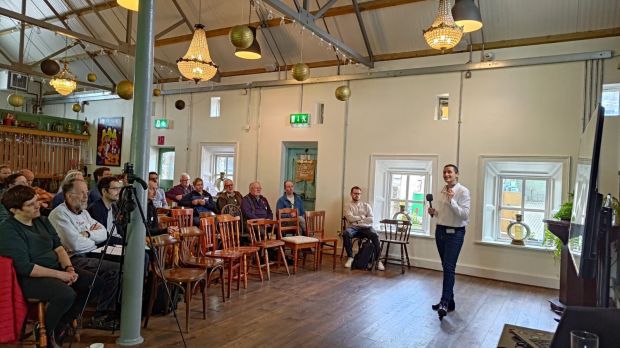
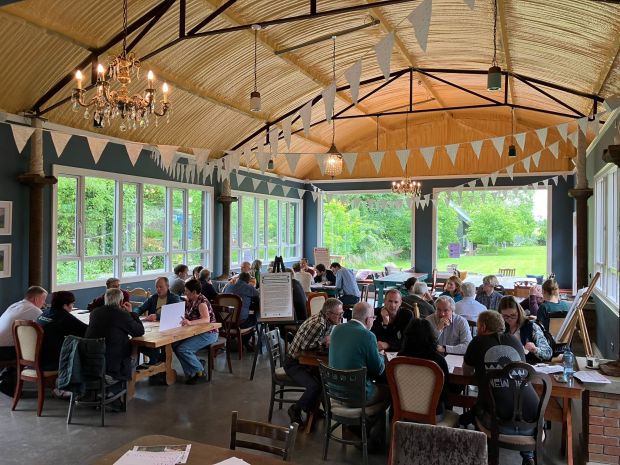
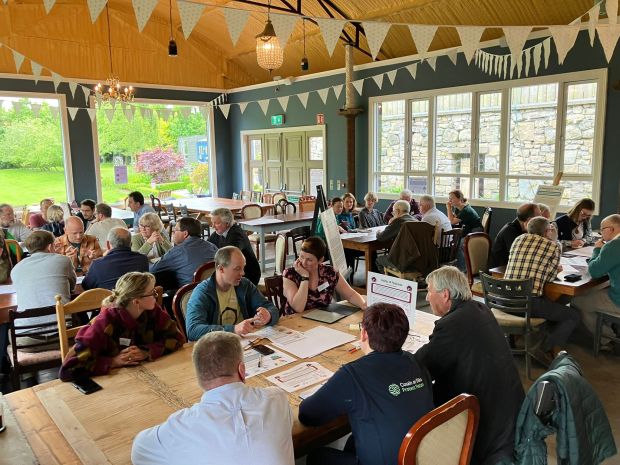
I’m just back from collaborating with the Peat Hub Ireland team on a scenarios workshop which invited participants from across the communities and institutions involved in Irish peatlands management to explore three visions of the world in 2050.

Historians, scientists, community members, officials, archaeologists, educators, researchers, activists, and businesspeople all gathered to find new ways to think about sustainability and custodianship, suitable for times of turbulence and unpredictability.

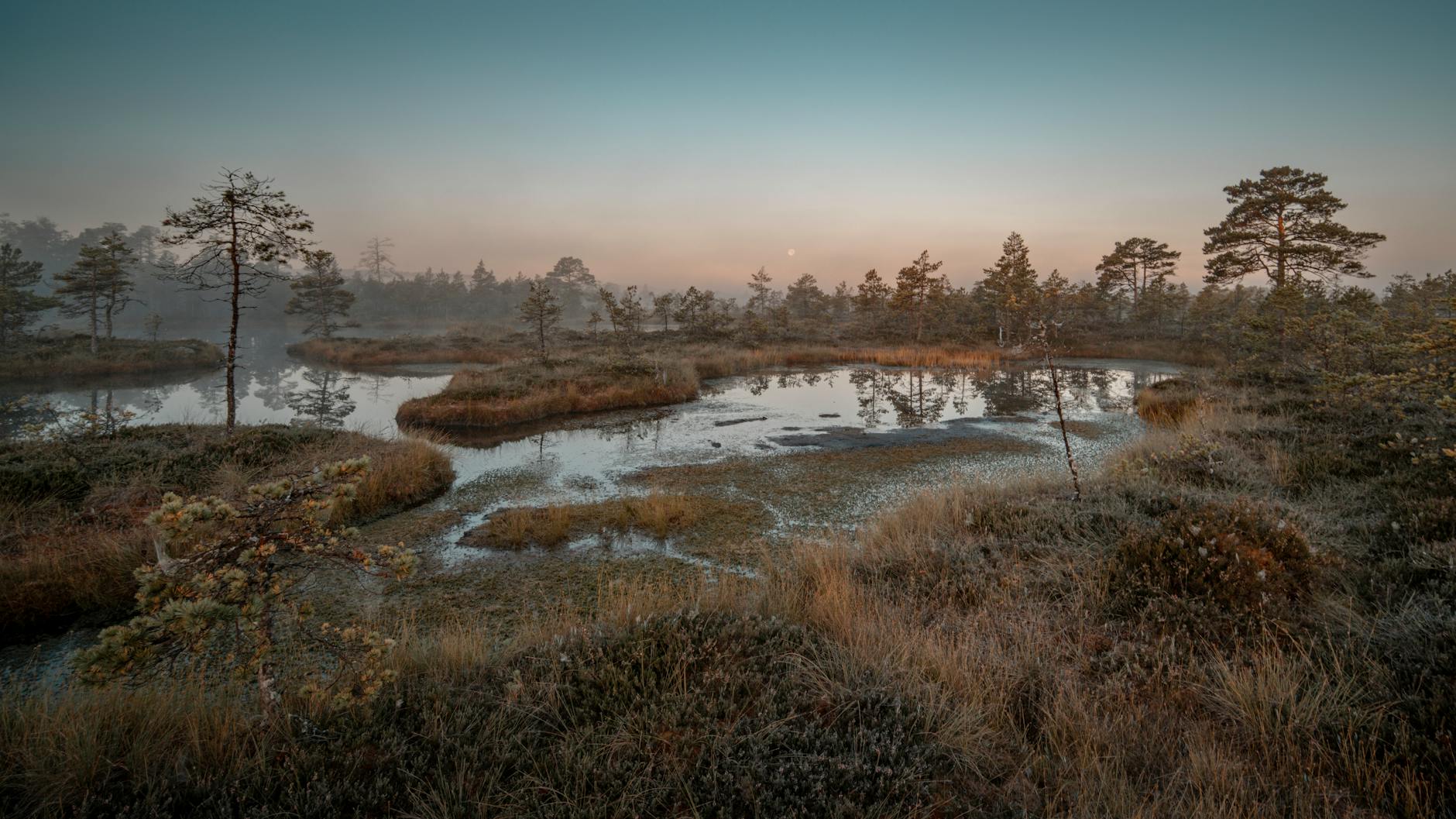
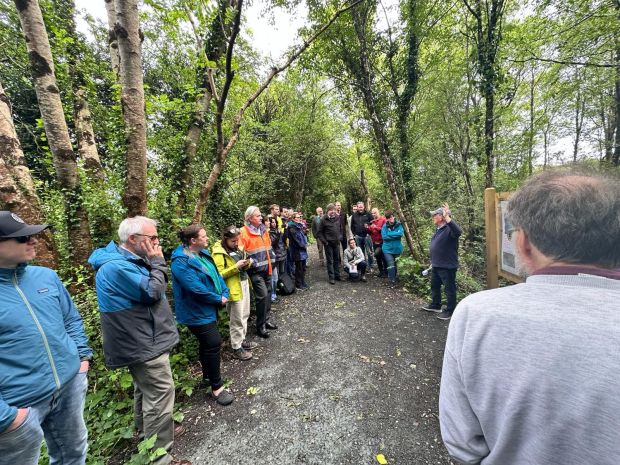
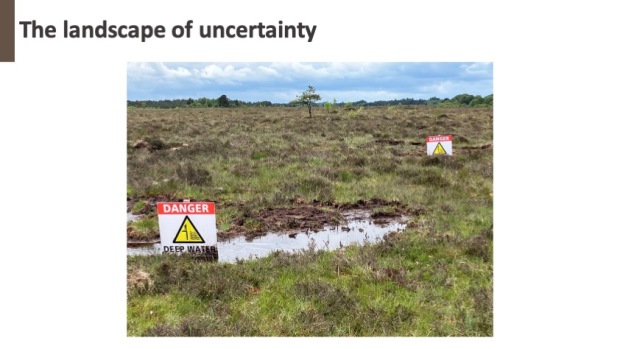
It was quite unique to run a scenarios day incorporating a two-hour break for a lunchtime country walk – but being out on the bog gave us a shared experience of the landscape whose future we were exploring, and some useful metaphors for dealing with conditions of uncertainty.

Our work built on the scenario elements of the Horizon Europe-funded IMAJINE project, which were led by the University of Galway’s Marie Mahon and myself. Peat Hub Ireland’s Florence Renou-Wilson, David Wilson, and Kate Flood worked with me to develop IMAJINE materials into a fresh set of scenarios for the world of peatlands management in 2050. We were supported in delivering the workshop by colleagues including Elena Aitova and Liz Bruton.

You can find out more about Peat Hub Ireland at their website – and there’s an account of the day from the Department of the Environment, Climate, and Communications’ Dave Dodd here. Stay tuned for more about the scenarios, too.

Blink and You’ll Miss It: Surveillance, Society, Foresight, AI

“How can we use events which haven’t happened yet to help us understand surveillance and society?”

Over at the blog Blink on Medium, I have a short piece with colleagues Carissa Véliz, Malka Older, and Annina Lux, reflecting on how to think critically about automation and surveillance in a season “swarming with futures”.

The post ties in to our recent article for Surveillance & Society, “The Art of Strategic Conversation: Surveillance, AI, and the IMAJINE Scenarios“.

Human-Land Podcast: Spatial Justice and Realms of Citizenship

I joined the Swedish University of Agricultural Sciences’ Human-Land podcast to talk about social justice and foresight in spatial planning, and their links to environmental psychology.

As environmental psychologists explore the relationship between human beings and their environments – including how humans shape those environments and are shaped by them in turn – foresight work allows us to explore how that relationship might change in times to come, and how our ideas of what is fair or just in terms of access to different environments might also evolve.

Host Hannah Arnett and I spoke about the IMAJINE scenarios project and the possiblity of an approach to questions of space and justice that brings together a range of disciplines and perspectives on the common ground of the unwritten future.

You can listen to the episode now on Spotify and Soundcloud.

The Conversation: How activity in outer space will affect regional inequalities in the future

My latest piece in The Conversation explains how the IMAJINE scenarios used plausible futures to explore the relationship between European regional inequalities and activity in outer space.

You can read “How activity in outer space will affect regional inequalities in the future” here.

Photo by Pixabay on Pexels.com

“Facing The Strategic Sublime” for BSFA Vector

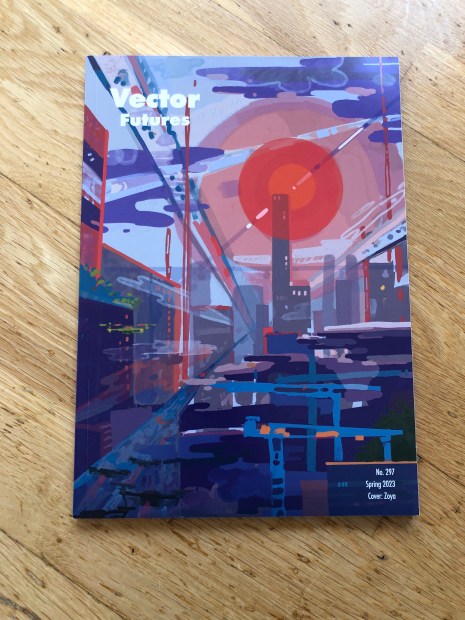
“Facing The Strategic Sublime: Scenario Planning as Gothic Narrative”, my piece with Marie Mahon, is in the latest issue of the British Science Fiction Association’s Vector magazine.

You can read the article below as a PDF download, or at the Vector website.

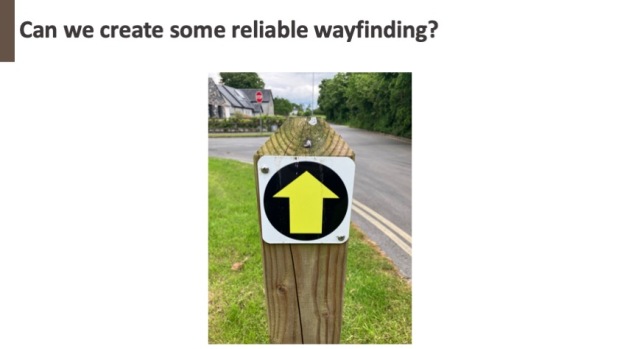
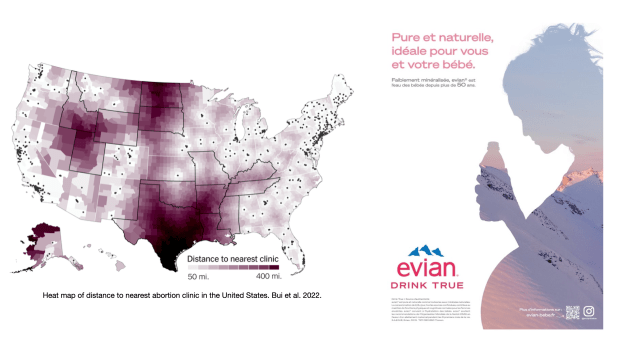
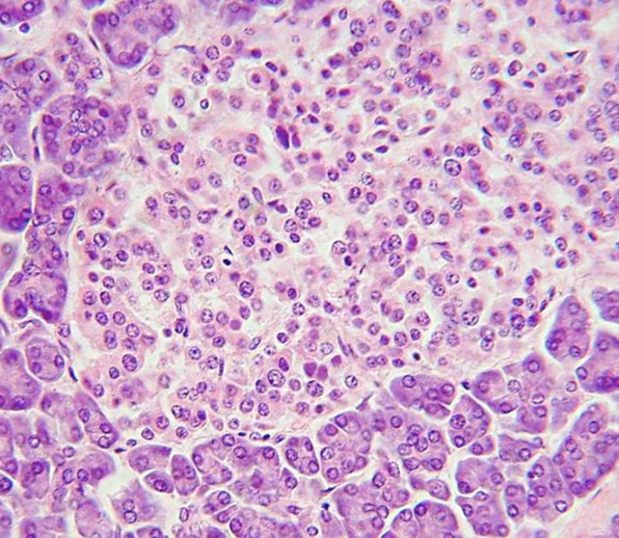
Space cowboys, Evian bottles, and the Islets of Langerhans: Scenario Planning and the Territorial Body in Time

On Saturday 25th February 2023, I’m presenting a paper, The Ghosts We See From the Mountains: Scenario Planning and the Territorial Body in Time” at the University of Warwick conference “Territorial Bodies: World Culture in Crisis“.

As the conference organisers explain,

The concept of ‘territorial bodies’ takes inspiration from the Latin American feminist transnational concept of ‘body-territory’, which has been used as a ‘strategic’ tool to engender new forms of global solidarity, linking multi-form violence at various scales. More broadly, body-territory becomes a lens through which to critique overlapping forms of violence in an era of socio-ecological crisis. This conference encompasses wide-ranging perspectives on the concept of ‘territorial bodies’, from the extractive plunder and dispossession of land, to the violation of gendered bodies, to the exploitation of racialised bodies and uneven flows of migration. We aim to critically evaluate the interconnections between bodies and territories, using the framework of “territorial bodies” to generate new modes of understanding crisis in neoliberal culture.

My paper, drawing on the example of the IMAJINE project, explores how scenario planning can inform our discussion of the ‘body-territory’.

What do we learn about territorial bodies and their attendant inequalities when we examine them from the perspective of multiple imagined futures?

How does investigating the future of territory itself enrich our understanding of the bodies which inhabit said future, and the power relations in which they are enmeshed? How can that understanding in turn usefully inform action in the present?

And, insofar as scenarios themselves render time in spatial metaphors – with factors, actors, and uncertainties juxtaposed to explore the dynamics of times to come – what do we learn about the body-in-time when we consider it in territorial terms?

You can read the paper as a PDF here, or watch a partial preview on YouTube. Find the full conference programme online here.

Oxford Answers: Using scenarios to understand the changing face of Europe’s cities and regions

The landscape of our cities and regions today is characterised by turbulence, uncertainty, novelty, and ambiguity – the so-called ‘TUNA’ conditions. Forces that lie far beyond the places where we live and work influence choices close to home.

In our search for security and prosperity, where should we be looking when the future of our cities and regions is so uncertain?

For the Saïd Business School’s ‘Oxford Answers’ blog, Michael Woods, Marie Mahon, and I wrote about using the IMAJINE scenarios to explore the changing face of Europe’s cities and regions.