Over at Public Libraries News, Rachael Rivera of Auckland Libraries in Aotearoa New Zealand talks about how her central city library developed services for homeless people.
Author: Mechanical Dolphin
IX: Design Thinking and Beyond feat. @katiedavis / Part 2
Last time in this series we talked with Jerome Rivera of New Zealand about the messy realities confronted by frontline staff in libraries around the world. You can see some of that ongoing discussion via the #CodeBrown hashtag on Twitter.
What does an appreciation for messiness and uncertainty mean for the design of future experiences in libraries and their sister institutions? How can we best meet the information needs of the communities we serve?
Joining me this time is Dr. Kate Davis, my colleague at the University of Southern Queensland (USQ). Kate is a social scientist based in USQ’s Digital Life Lab, carrying out research into social media and the qualitative analysis of information experiences.
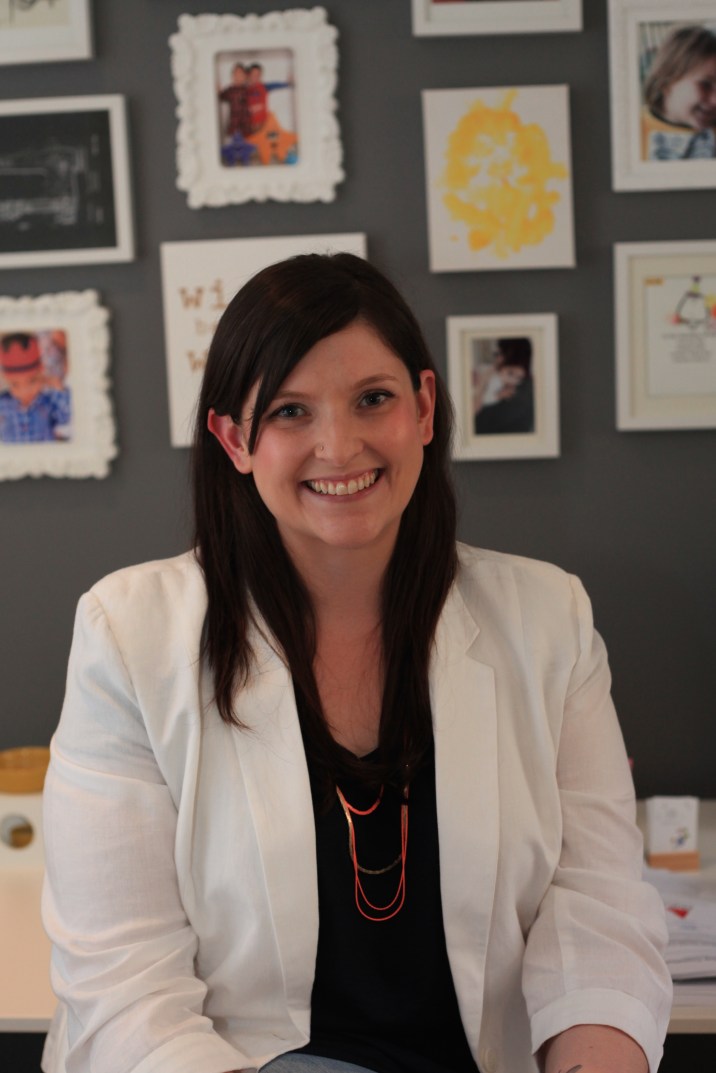
Kate, I’ve heard of UX – user experience – but never IX. What is “information experience” all about?
IX is about understanding how people engage with information. It’s relational – focussed on the contexts in which people need, seek, manage, give, and use information. Read more
Pineapple GLAM with @amywalduck
Today I’m joined by Amy Walduck, Queensland State Manager for the Australian library association ALIA.

Amy’s a government research librarian, musician, social media maven, and culture professional extraordinaire. She’s also creator of the @QLDLibraries Twitter account celebrating library achievements across Australia’s Sunshine State.

Amy was my partner in crime on various initiatives at the State Library of Queensland, including baking cakes for occupational therapists at Griffith University. She’s a natural networker, enthusiastic, innovative, and determined: great qualities in an ever-changing sector like Libraryland.
Pinned to the top of Amy’s Twitter timeline for most of 2017 has been this statement:
I started our chat by asking Amy: Why did you make this your 2017 life goal? Read more
Marvellous, Electrical: Lusophone
We’re revisiting two previous instalments of Marvellous, Electrical in a new form this month.
My partner Marta Cabral reads “The Dough“, about Brisbane’s baker of Portuguese pastries, in a bilingual version here:
Portuguese speakers can also enjoy Marta reading “Foolaru”, my Australia Day piece from 2017, here:
Marvellous, Electrical is a two-year project in the form of an email newsletter from across Queensland, Australia and beyond.
You can subscribe to the newsletter here and enjoy the full archive at this link.
A new strategic vision for Queensland public libraries
My University of Southern Queensland colleague Kate Davis and I have won the tender to review the strategic vision for public libraries in Queensland, Australia.

We’ll be drafting a successor to the existing VISION 2017 document after a season of consultation, workshops, surveys, and interviews with library staff, managers, and key stakeholders from across the state.
Find out more at the State Library of Queensland’s PLConnect blog.
Ragnarok: permission and design
A set report from the upcoming Thor: Ragnarok gives us a healthy reminder about what creativity really is.
The best line in the trailer comes not from screenwriter Eric Pearson, nor director Taika Waititi. It wasn’t even improvised by one of the actors.
Code Brown: Design Thinking & Beyond feat. @jeromical / Part 1
Blame it on Jerome; it started with him.
Jerome Rivera, aka @jeromical, is Community Library Manager at Ranui in Auckland, New Zealand. He’s smart and thoughtful and highly accomplished, and one of the sharpest dressers I’ve ever seen. Jerome and his wife Rachael form something of a library power couple: she manages Auckland’s central city library and her teams have been responsible for amazing projects such as specialised services for homeless people and bespoke one-to-one encounters with Kiwi musicians for NZ Music Month. But I’ll have to get to the full story of Rachael’s greatness another time, because today is about Code Brown, and Code Brown starts with Jerome.
You see, being a librarian today is about all kinds of things. Access to information. Bringing communities together and giving them the opportunity to share their skills and stories, or create new knowledge. Offering new technologies and the skills to explore those technologies.
But, as Jerome pointed out on Twitter, when you work in a space like a library which is open and welcoming to all members of the public, sooner or later, you end up dealing with a Code Brown. Read more
Battle for Library Island @ALIAnls workshop notes
The team behind this year’s NLS8 conference have released notes from my Battle for Library Island workshop in PDF, PPT, and Keynote formats.
You can see some of the activities we used as warm-ups for this creative approach to organisational strategy and vision, plus enjoy video from the raucous, dramatic session itself.
Visit NLS8’s Figshare account to download materials from Canberra’s Battle for Library Island or read more about the game, and the philosophy behind it, here.
There’ll be more Library Island at LIANZA 17 in Christchurch, New Zealand, this September.
Sing Me A Library: @IAMLAustralia keynote 2017 in Canberra #IAMLCBR
I’ll be back in Canberra on 28th September to give the opening keynote of the music librarians’ conference, IAML Australia 2017.
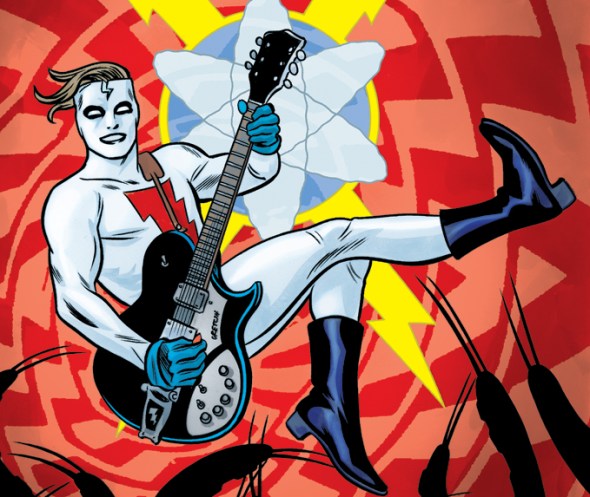
“Sing Me A Library” will explore managing knowledge through sound, and outline some future directions for music-led information science.
Coming hot on the heels of my trip to New Zealand, you can expect something a little lively and a little bit different – raising the stakes from last year’s journey into TV themes, cultural history, and heavy metal.
You can see the full IAML Australia programme (PDF download) here.
Library Island hits #nls8
My professional development roleplay Library Island visited the New Librarians Symposium at the National Library of Australia last weekend.

Librarians old and new joined forces to explore their work with communities in new, messy, and productive ways.
Going beyond the vogue for design thinking, the safe, fictional space of “Library Island” allowed us to engage with knotty questions of office politics, limited resources, managerial edicts, and library users who are sometimes airbrushed out of “future visions” – such as homeless people or those whose behaviour might be challenging to staff. Read more
 matt finch / mechanical dolphin