“…of all forms of art, only film could show the remote horizon of dreams as a habitable country and, at the same time, could turn familiar landscapes into a vague scenery fit only for dreams.”
Gerald Murnane, The Plains
The word scenario came into strategy thanks to Leo Rosten, the humourist and screenwriter who also did work for the RAND Corporation during the mid-20th century. Rosten took a term, already slightly outdated in Hollywood, which meant “an outline for a proposed film”, and applied it to RAND colleagues’ future projections which invited Cold War policymakers to “think the unthinkable”. (If we go a little further, the word’s etymology takes us back to an Italian theatrical term meaning a stage set, scenery, or backdrop).
Even in the age of TikTok and bite-sized streaming video, the cinematic metaphor still has power. As Gerald Murnane’s words suggest, plausible yet challenging visions of the future context can enable us to imagine what it would mean to dwell in a place that once seemed to linger on the far horizon. In turn, that experience allows us to recognise that everything we take for granted in the here-and-now is in fact as malleable and overdetermined as the stuff of a dream.
Read more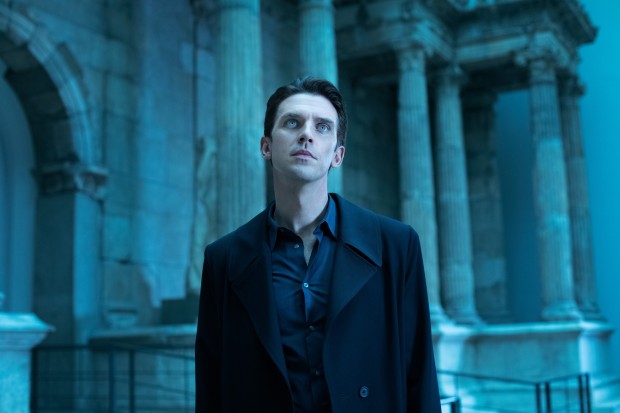
 matt finch / mechanical dolphin