#NotEnoughScifi: John M. Ford & the Funny Business / Part 2

Life is messy. The structures and services we design need to reflect that.

Creative responses to the world resist programming and procedure. You have to be flexible when you seek to address the challenges of this uncertain, unpredictable existence.

And if you’re going to plan and scheme a better future, that process should be intellectually stimulating, exciting: fun, even. Because if a vision of the future doesn’t engage, convince, and inspire, how are you going to make it work?

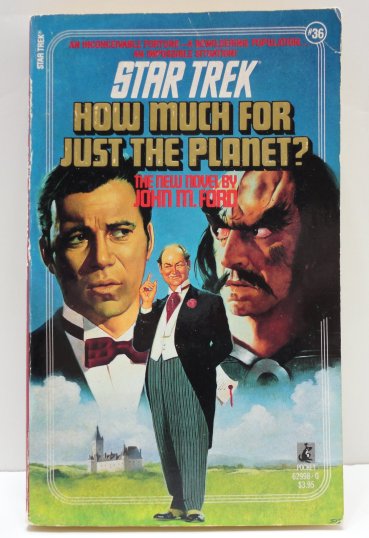
Let’s talk about Star Trek.

915sai2l15l

Read more

#NotEnoughScifi: John M. Ford & the Funny Business / Part 1

I’ve been thinking about where we go next.

It’s a big part of my job, which essentially has two sides.

One of them is connecting and coaching people to bring their own bright ideas to fruition: finding resources, partners, and opportunities for them to realise marvellous initiatives.

Another part is scouting out the unmarked territory, the unknown spaces beyond service models and strategic visions, the opportunities we hadn’t even considered yet.

That includes using speculative fiction, sci-fi, and fantasy as a way of thinking about how things could be different…and what comes next.

tumblr_nxblr3iqo11tdn4bco1_500

Read more

Mess and Macrohistory: Design Thinking and Beyond feat. @tegalex / Part 3

We’ve been talking about how to address the messy reality of library services over the last few weeks: not just the artists’ impression, the managerial vision, or the designer’s response to a brief.

With Dr. Kate Davis, my colleague at the University of Southern Queensland (USQ), we looked at using information experience to address community needs; before that, Auckland’s Jerome Rivera gave a wry take on the demands of frontline library service under the tagline “Code Brown“.

It goes beyond cleaning up after users in a public library setting, though. Code Brown  – understood more broadly as an attempt to address overlooked aspects of library information work – takes many forms and exists in many spaces.

Read more

IX: Design Thinking and Beyond feat. @katiedavis / Part 2

Last time in this series we talked with Jerome Rivera of New Zealand about the messy realities confronted by frontline staff in libraries around the world. You can see some of that ongoing discussion via the #CodeBrown hashtag on Twitter.

What does an appreciation for messiness and uncertainty mean for the design of future experiences in libraries and their sister institutions? How can we best meet the information needs of the communities we serve?

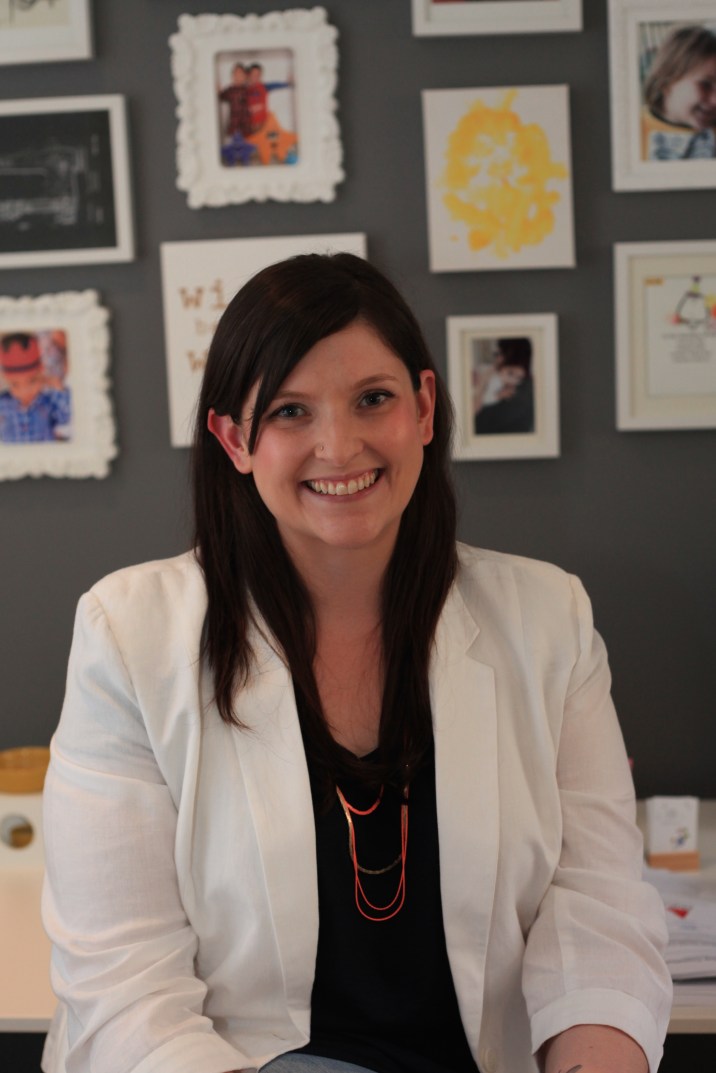
Joining me this time is Dr. Kate Davis, my colleague at the University of Southern Queensland (USQ). Kate is a social scientist based in USQ’s Digital Life Lab, carrying out research into social media and the qualitative analysis of information experiences.

Kate Davis.jpg

Kate, I’ve heard of UX – user experience – but never IX. What is “information experience” all about?

IX is about understanding how people engage with information. It’s relational – focussed on the contexts in which people need, seek, manage, give, and use information. Read more

Pineapple GLAM with @amywalduck

Today I’m joined by Amy Walduck, Queensland State Manager for the Australian library association ALIA.

legitlibrarian

Amy’s a government research librarian, musician, social media maven, and culture professional extraordinaire. She’s also creator of the @QLDLibraries Twitter account celebrating library achievements across Australia’s Sunshine State.

dhjwbhev0ainocc

Amy was my partner in crime on various initiatives at the State Library of Queensland, including baking cakes for occupational therapists at Griffith University. She’s a natural networker, enthusiastic, innovative, and determined: great qualities in an ever-changing sector like Libraryland.

Pinned to the top of Amy’s Twitter timeline for most of 2017 has been this statement:

I started our chat by asking Amy: Why did you make this your 2017 life goal?  Read more

Marvellous, Electrical: Lusophone

We’re revisiting two previous instalments of Marvellous, Electrical in a new form this month.

My partner Marta Cabral reads “The Dough“, about Brisbane’s baker of Portuguese pastries, in a bilingual version here:

Portuguese speakers can also enjoy Marta reading “Foolaru”, my Australia Day piece from 2017, here:

Marvellous, Electrical is a two-year project in the form of an email newsletter from across Queensland, Australia and beyond.

You can subscribe to the newsletter here and enjoy the full archive at this link.

A new strategic vision for Queensland public libraries

My University of Southern Queensland colleague Kate Davis and I have won the tender to review the strategic vision for public libraries in Queensland, Australia.

Screen Shot 2017-08-09 at 16.05.12.png

We’ll be drafting a successor to the existing VISION 2017 document after a season of consultation, workshops, surveys, and interviews with library staff, managers, and key stakeholders from across the state.

Find out more at the State Library of Queensland’s PLConnect blog.

Ragnarok: permission and design

A set report from the upcoming Thor: Ragnarok gives us a healthy reminder about what creativity really is.

The best line in the trailer comes not from screenwriter Eric Pearson, nor director Taika Waititi. It wasn’t even improvised by one of the actors.

Read more

Code Brown: Design Thinking & Beyond feat. @jeromical / Part 1

Blame it on Jerome; it started with him.

Jerome Rivera, aka @jeromical, is Community Library Manager at Ranui in Auckland, New Zealand. He’s smart and thoughtful and highly accomplished, and one of the sharpest dressers I’ve ever seen. Jerome and his wife Rachael form something of a library power couple: she manages Auckland’s central city library and her teams have been responsible for amazing projects such as specialised services for homeless people and bespoke one-to-one encounters with Kiwi musicians for NZ Music Month. But I’ll have to get to the full story of Rachael’s greatness another time, because today is about Code Brown, and Code Brown starts with Jerome.

You see, being a librarian today is about all kinds of things. Access to information. Bringing communities together and giving them the opportunity to share their skills and stories, or create new knowledge. Offering new technologies and the skills to explore those technologies.

But, as Jerome pointed out on Twitter, when you work in a space like a library which is open and welcoming to all members of the public, sooner or later, you end up dealing with a Code Brown. Read more